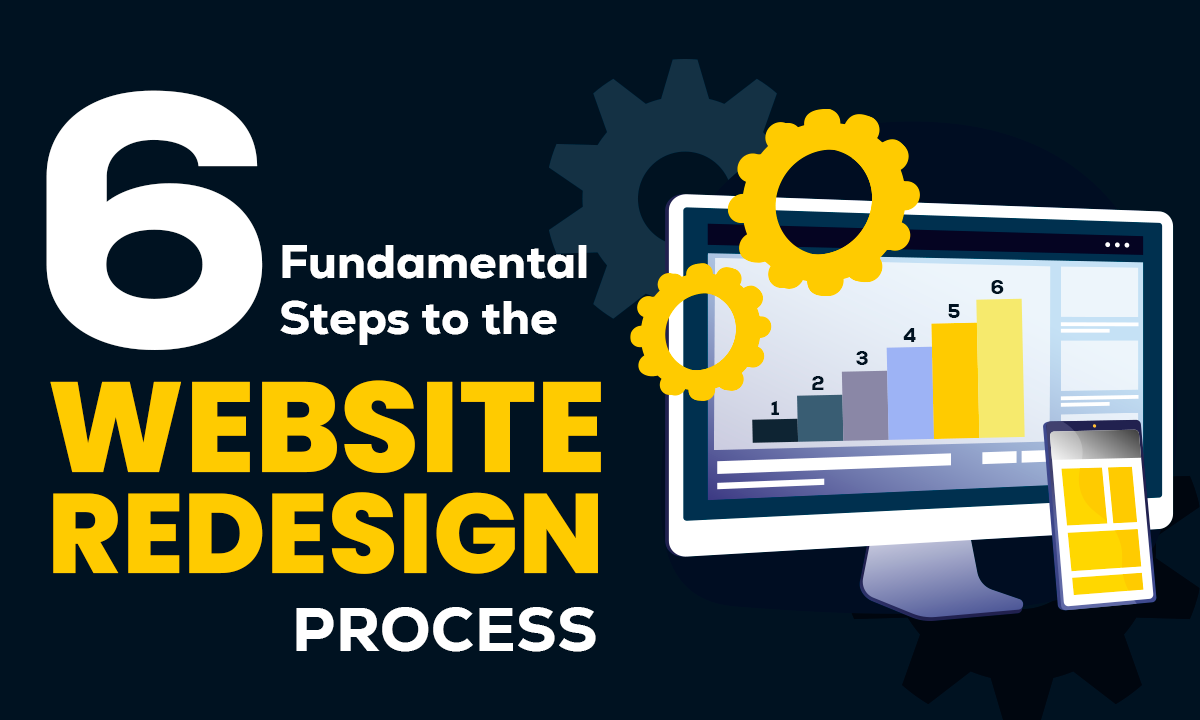
Top 5 Design Principles to Refresh Your Website
Refreshing your website's design can significantly enhance user experience and engagement. Here are the top 5 design principles to consider:
- Consistency: Maintain a uniform style across all pages. This includes color schemes, fonts, and layout structures, which helps in establishing a cohesive brand identity.
- White Space: Incorporate ample white space to avoid clutter. This principle improves readability and allows users to focus on key content without feeling overwhelmed.
Continuing with our top design principles, the next three are crucial:
- Visual Hierarchy: Guide visitors' attention through design elements like size, color, and placement. This principle ensures that the most important information stands out.
- Responsive Design: Ensure your website is mobile-friendly. With an increasing number of users accessing sites via smartphones, a responsive design enhances usability across devices.
- Accessibility: Design with inclusivity in mind. Make sure text is legible, contrast is sufficient, and navigation is intuitive for all users.
How to Choose the Right Color Palette for Your Site
Choosing the right color palette for your site is crucial, as it not only affects the aesthetic appeal but also influences user experience and engagement. Start by understanding your brand's identity and the message you want to convey. For instance, if your brand is energetic and youthful, you might consider vibrant colors like bright oranges or greens. On the other hand, a more professional or luxurious brand might benefit from muted tones like navy blue or gold. It’s important to consider your target audience as well; different demographics may respond to color differently.
Once you have a general idea of the colors that align with your brand, you can start to create a cohesive color scheme. This often involves three main types of colors: a dominant color that will cover the majority of your site, a secondary color that adds contrast, and an optional accent color that can be used sparingly for calls to action and highlights. To visualize your color palette, you might use tools like Adobe Color or Coolors, which allow you to experiment with combinations and see how different shades work together. Remember, the right colors can greatly enhance your website’s usability and overall success.
Is Your Website User-Friendly? Key Features to Consider
When evaluating whether your website is user-friendly, consider key features that enhance the overall experience for your visitors. A well-organized navigation menu is crucial, as it allows users to effortlessly find the content they seek. Additionally, ensure your website is mobile-responsive; with an increasing number of users accessing sites via smartphones and tablets, a mobile-friendly design is no longer optional. Incorporating distinct call-to-action buttons and clear header structures can also guide users to take desired actions on your site.
Another significant aspect of user-friendliness is page loading speed. A fast-loading site improves user satisfaction and decreases bounce rates. Use tools to regularly check your website’s speed and optimize images and scripts. Moreover, consider incorporating a search functionality; this feature helps users quickly locate specific information without having to sift through multiple pages. Lastly, ensure your website incorporates accessible design elements to cater to users with disabilities, promoting inclusivity and broader audience engagement.