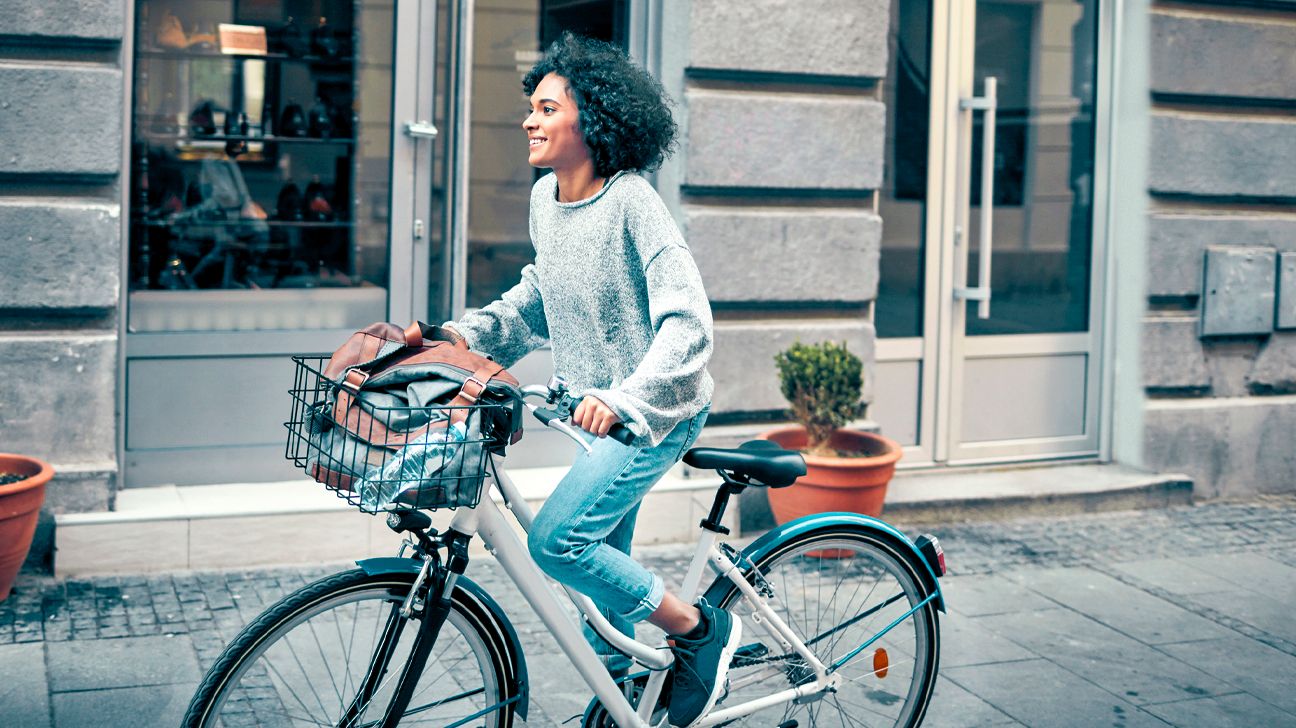
Mastering the Open Road: Essential Cycling Etiquette Tips
When it comes to mastering the open road, understanding cycling etiquette is crucial for ensuring a safe and enjoyable experience for everyone. First and foremost, always obey traffic signals and signs, as they apply to bicycles just like motor vehicles. Additionally, it’s important to ride in a straight line, especially in groups, to maintain stability. When riding two or more abreast, be considerate of the space you occupy and shift to a single file when other vehicles are approaching. Remember to use hand signals adequately to inform others of your intentions, whether you are turning or stopping, which helps keep everyone on the road informed and safe.
Another key aspect of cycling etiquette is being aware of your surroundings. Pay attention to pedestrians and yield to them at crosswalks. When passing others on the trail, always announce your presence with a friendly, "On your left!" to avoid startling them. Furthermore, if you encounter a fellow cyclist in need of assistance, offering help can create a supportive and friendly biking community. Finally, respect the local cycling laws and guidelines; they’re in place to protect all road users. By practicing these essential tips, you’ll contribute to a harmonious cycling environment and truly master the open road.
Navigating the Bike Lane: Do's and Don'ts Every Cyclist Should Know
Navigating the bike lane safely and effectively is essential for all cyclists. Understanding the do's and don'ts can significantly enhance your riding experience while ensuring your safety and that of others. Here are some key tips to keep in mind:
- Do stay in your designated bike lane whenever possible. This not only keeps you safe but also helps maintain the flow of traffic.
- Don’t weave in and out of lanes. This can confuse drivers and endanger your safety.
- Do signal your intentions clearly using hand signals to communicate with motorists and other cyclists.
- Don’t ride against the flow of traffic; always move in the same direction as vehicles on the road.
Additionally, proper etiquette and awareness can make your time on the road more enjoyable. Here are a few more do's and don'ts to consider:
- Do wear a helmet and other protective gear to minimize injury risks.
- Don’t use headphones or any distractions that could divert your attention from the road.
- Do be respectful to pedestrians, yielding the right of way to them at crosswalks.
- Don’t assume that drivers can always see you; make eye contact whenever possible to ensure you are noticed.
Cycling Respect: How to Share the Road Safely with Other Riders
Cycling is a popular and environmentally friendly mode of transport, but it requires respect and awareness from all road users. To share the road safely with other riders, it’s essential to follow a few basic rules. First, always ride in a straight line and avoid blocking the path of others. Use hand signals to indicate your intentions, such as turning or stopping, and make sure to maintain a safe distance from other cyclists. Additionally, being courteous can go a long way; if you notice another cyclist trying to pass, consider moving to the right to give them space to do so.
Another important aspect of respecting fellow cyclists is adhering to local cycling laws and regulations. This includes obeying traffic signals and signs, as well as wearing a helmet for safety. Always be vigilant for pedestrians and vehicles as well, as sharing the road means being alert and proactive. It’s also helpful to communicate with other cyclists verbally or with eye contact to avoid misunderstandings. By fostering a sense of community and mutual respect on the road, we can work together to create a safer environment for all riders.